Mobile Elements, Unstable Genomes: How Jumping Genes Are Reshaping Our Understanding of Disease
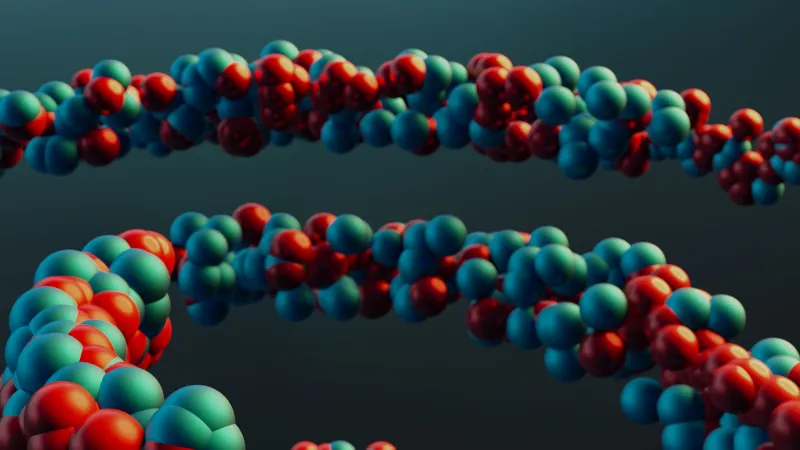
In 1950, Barbara McClintock published observations from her work on maize that would eventually earn her a Nobel Prize—though the scientific community would take decades to fully appreciate what she had found. McClintock had identified genetic elements capable of changing their position within a genome, sequences she called "controlling elements" that could move, insert, and fundamentally alter gene expression. The concept was so foreign to the prevailing model of the genome as a fixed, stable entity that her work was largely set aside.
Seventy years later, those mobile sequences—now termed transposable elements, or TEs—are among the most intensively studied components of the human genome. And the diseases they have been implicated in span from leukemia to Alzheimer's disease.
What Transposable Elements Actually Are
Transposable elements are DNA sequences with the intrinsic capacity to relocate within a host genome. They are ancient—many predate the emergence of multicellular life—and they are extraordinarily abundant. Approximately 45 percent of the human genome consists of TE-derived sequences, a figure that has been revised upward as sequencing technologies have improved and previously ambiguous repetitive regions have become mappable.
TEs are broadly divided into two classes based on their mechanism of movement. Class I elements, known as retrotransposons, operate through a "copy and paste" mechanism: they are transcribed into RNA, reverse-transcribed back into DNA, and inserted at a new genomic location, leaving the original copy intact. The most prominent human retrotransposons are the LINE-1 (L1) elements and the Alu sequences, both of which remain capable of active transposition in human somatic cells. Class II elements, or DNA transposons, use a "cut and paste" mechanism, excising from one location and reinserting elsewhere. In humans, most DNA transposons are no longer actively mobile, though their structural remnants pervade the genome.
For most of the molecular biology era, the sheer repetitiveness of TE sequences made them technically difficult to study, and their functional significance was minimized. The "junk DNA" designation—a term many researchers now regard as an unfortunate oversimplification—kept transposable elements at the periphery of biomedical inquiry for a generation.
The Cancer Connection
The case against dismissing TEs gathered force as cancer genomics matured. Whole-genome sequencing of tumor cells revealed that LINE-1 retrotransposons are frequently active in malignant tissue, generating new insertions that were absent in matched normal cells from the same patient. These somatic insertions are not evenly distributed across cancer types. Epithelial cancers—particularly colorectal, lung, and esophageal carcinomas—show especially high rates of TE mobilization, while hematological malignancies tend to exhibit lower activity.
The mechanisms by which TE activity contributes to oncogenesis are multiple. A new insertion within or near a tumor suppressor gene can disrupt its expression. Insertions in regulatory regions may activate oncogenes. The reverse transcriptase activity encoded by LINE-1 elements can introduce genome-wide instability, generating chromosomal rearrangements that accelerate the mutational accumulation characteristic of aggressive tumors. Perhaps most intriguingly, the double-stranded RNA produced by symmetric transcription of TE sequences can trigger innate immune signaling pathways—a phenomenon researchers are now exploring as both a driver of cancer-associated inflammation and a potential therapeutic lever.
Several research groups have proposed that TE-derived transcripts could serve as tumor biomarkers, offering a molecular signature of malignant transformation detectable in liquid biopsy samples. Early results from studies examining circulating TE RNA in blood are promising, though clinical validation remains ongoing.
Transposons and the Aging Brain
The neurological dimension of TE biology has generated particular excitement—and some alarm. Studies in model organisms established that transposable element activity increases with age in neural tissue, a pattern that has since been documented in human postmortem brain samples. In neurons, which are largely post-mitotic and therefore unable to repair insertion-induced damage through DNA replication, TE mobilization may accumulate with uniquely damaging consequences.
In Alzheimer's disease, researchers have detected elevated expression of LINE-1 and endogenous retroviral sequences in affected brain regions. Whether this activity is a cause or consequence of neurodegeneration remains an active area of debate. Some investigators have proposed that TE-derived double-stranded RNA activates neuroinflammatory cascades that contribute to synaptic loss and neuronal death. Others suggest that the breakdown of epigenetic silencing mechanisms—which normally suppress TE transcription—is itself a downstream effect of the oxidative stress and DNA damage that characterize aging neurons.
Amyotrophic lateral sclerosis has emerged as another condition with a compelling TE connection. Human endogenous retroviruses, particularly the HERV-K family, are upregulated in the motor neurons of ALS patients, and their envelope proteins have been shown to be neurotoxic in cell culture and animal models. A clinical trial examining whether antiretroviral drugs—medications originally developed to suppress HIV—could reduce HERV-K expression and slow ALS progression was conducted at Johns Hopkins and generated sufficient interest to motivate follow-up investigations.
Epigenetic Suppression and Its Failure
Under normal circumstances, transposable elements are held in check by a sophisticated network of epigenetic silencing mechanisms. DNA methylation at TE loci suppresses transcription, and a class of small non-coding RNAs known as PIWI-interacting RNAs, or piRNAs, provides an additional layer of post-transcriptional control in germline cells. In somatic tissues, histone modifications and heterochromatin formation further restrict TE activity.
These defense systems are imperfect and degrade over time. As cells age, global DNA methylation levels decline, and the silencing marks that keep TEs dormant erode. This age-dependent derepression may explain why TE activity increases in older tissues and why the diseases most strongly associated with TE dysregulation—cancer, neurodegeneration—are predominantly conditions of later life.
Environmental factors also intersect with this regulatory architecture. Radiation exposure, certain chemical mutagens, and possibly chronic psychological stress have been associated with disruptions in epigenetic TE silencing, raising questions about how external exposures might accelerate TE-related pathology.
Therapeutic Horizons
The recognition that transposable elements are active disease contributors has opened several therapeutic avenues. Nucleoside reverse transcriptase inhibitors, a class of antiretroviral compounds, can block the reverse transcriptase activity required for LINE-1 retrotransposition. Repurposing these agents to suppress TE activity in cancer or neurodegeneration is under active investigation, with preclinical studies in aging mouse models showing reductions in inflammation and improvements in cognitive function following treatment.
Small molecule approaches targeting the piRNA pathway or the PIWI proteins that execute TE silencing represent a more targeted strategy, though this area remains at an earlier stage of development.
For the research community, the immediate priority is mechanistic clarity. Distinguishing which TE activities are drivers of disease pathology from those that are incidental bystanders—or even adaptive responses—requires tools capable of resolving individual insertion events at the single-cell level. Long-read sequencing platforms and improved computational pipelines for repetitive element analysis are making this resolution increasingly achievable.
What McClintock intuited in a cornfield in the middle of the twentieth century has become, in the twenty-first, one of the most consequential frontiers in human disease biology.