Genes Without a Job Description: The Uncharacterized Sequences Reshaping Our Understanding of the Genome
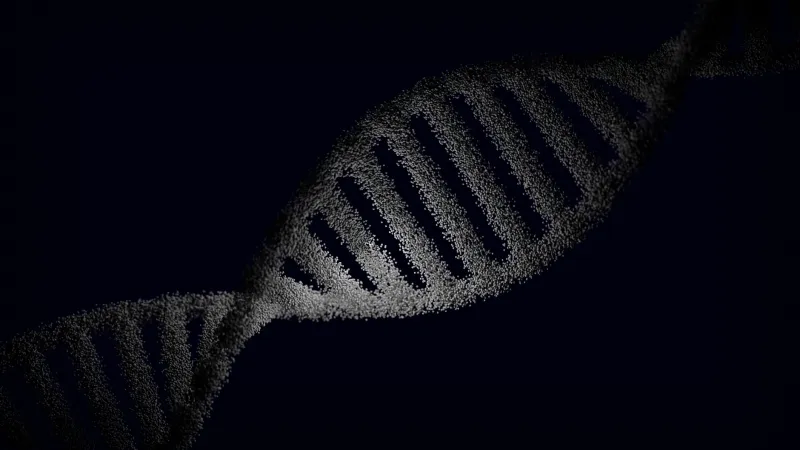
When the Human Genome Project published its landmark findings in 2003, the scientific community celebrated a historic achievement: a near-complete map of the roughly three billion base pairs that constitute human DNA. Yet two decades later, a striking gap persists at the heart of genomic science. Of the approximately 20,000 protein-coding genes identified in the human genome, a substantial fraction—estimates range from several hundred to several thousand, depending on how "uncharacterized" is defined—remain functionally anonymous. Scientists can read their sequences with precision, yet cannot say with confidence what these genes actually do.
These genomic enigmas are sometimes called "dark genes" or, more formally, genes of unknown function (GUFs). Understanding why so many have evaded characterization, and what modern tools are doing to change that, represents one of the most consequential frontiers in contemporary biology.
Why So Many Genes Remain Functionally Unassigned
The disparity between sequencing capability and functional understanding is not a failure of effort. It reflects the fundamental asymmetry between reading DNA and interpreting it. Determining a gene's sequence is now relatively fast and inexpensive; establishing what its protein product does in a living cell is an entirely different undertaking.
Traditional methods of gene characterization—knocking out the gene in a model organism, observing what goes wrong, and inferring function from the resulting phenotype—are labor-intensive and not always informative. Many genes appear to produce no obvious effect when disrupted under standard laboratory conditions. This does not mean they are dispensable; it often means their roles are context-dependent, activated only under specific physiological stressors, developmental stages, or tissue environments that routine experiments do not replicate.
Additionally, research funding and scientific attention have historically concentrated on genes already linked to known diseases or biological pathways. The result is what researchers sometimes call the "Matthew effect" in genomics: well-studied genes attract more study, while obscure sequences languish for decades without serious investigation.
A New Toolkit for Decoding the Unknown
Several converging technologies are now accelerating efforts to characterize these unassigned sequences.
Artificial intelligence and protein structure prediction have transformed the landscape dramatically. Tools such as AlphaFold, developed by DeepMind and made freely available to the scientific community, can now predict the three-dimensional structure of a protein from its amino acid sequence alone. Because a protein's shape is intimately connected to its function, structural predictions offer researchers a starting hypothesis—a molecular scaffold from which to design targeted experiments. For genes that previously offered no functional clues, a predicted structure can be the first real foothold.
Single-cell RNA sequencing (scRNA-seq) has added another dimension. Rather than analyzing gene expression across an entire tissue, single-cell approaches allow scientists to measure which genes are active in individual cells at specific moments. This granularity has revealed that many previously overlooked genes are expressed in narrow, specialized cell populations—certain immune subtypes, rare progenitor cells, or neurons in discrete brain regions—contexts that bulk tissue analyses would have diluted into statistical noise. Genes that appeared silent in conventional assays are proving to be anything but.
Large-scale functional genomic screens, particularly those employing CRISPR-based interference or activation across entire cell libraries, now allow researchers to systematically perturb thousands of genes simultaneously and measure the consequences. These high-throughput approaches are generating functional data at a pace that would have been unimaginable to earlier generations of molecular biologists.
The International Collaboration Imperative
No single laboratory or institution can solve this problem alone. Recognizing this, several coordinated international efforts have emerged specifically to address the characterization gap. The NHGRI-funded ENCODE (Encyclopedia of DNA Elements) project has cataloged functional elements across the genome, providing regulatory and expression context for genes that lack direct functional annotation. The Human Protein Atlas, a Swedish-led initiative with broad international participation, has mapped protein expression across human tissues and cell types, offering visual and quantitative evidence of where these mysterious gene products appear.
In the United States, the National Institutes of Health has increasingly emphasized the importance of studying understudied genes through targeted funding mechanisms, acknowledging that the concentration of research on a small subset of the genome leaves vast biological territory unexplored. Collaborative databases that aggregate structural predictions, expression data, and experimental results from laboratories worldwide are making it possible for a researcher in, say, a university lab in Ohio to build directly on structural modeling completed by a team in the United Kingdom.
Why This Research Could Transform Medicine
The practical stakes are considerable. Many diseases—particularly rare genetic disorders, certain cancers, and conditions with poorly understood molecular origins—may be driven in part by genes that researchers have not yet characterized. A gene that seems irrelevant today may turn out to encode a protein that regulates a critical pathway in a specific tissue type, or that interacts with a known disease gene in ways that current models do not capture.
Historically, some of the most medically significant biological discoveries began with investigations into seemingly obscure or purposeless sequences. The telomerase enzyme, the mechanisms of RNA interference, and entire classes of regulatory non-coding RNAs were all, at one point, biological puzzles without clear clinical relevance. Each eventually yielded insights—and in some cases, therapeutic targets—that reshaped entire fields.
Uncharacterized genes represent a similar reservoir of latent biological knowledge. Researchers working on neurodegenerative diseases, for instance, have found that several genes with previously unknown functions appear to be expressed specifically in microglia, the brain's immune cells, under inflammatory conditions. Whether these genes contribute to conditions like Alzheimer's disease is an open question—but it is now a question that can be meaningfully investigated.
The Ethical Dimension of Genomic Annotation
There is also an equity dimension to this work that deserves acknowledgment. Genomic databases have historically overrepresented individuals of European ancestry, which means that functional annotations derived from those populations may not fully capture variation relevant to other communities. Ensuring that the characterization of unknown genes proceeds with diverse genomic datasets is not merely a scientific nicety—it is a prerequisite for the resulting knowledge to benefit all patients equitably.
A Genome Still Full of Surprises
The human genome, often described as a completed project, is in many respects still an open book. The sequences are known; the meanings are not. What the current generation of researchers is doing—with AI-assisted structural prediction, single-cell resolution, and globally coordinated data sharing—is less like reading a finished text and more like translating one.
Each gene that moves from the uncharacterized column to the understood one represents a small but genuine expansion of biological knowledge. In aggregate, these advances may well determine whether the next generation of treatments for currently intractable diseases can be developed at all. The orphan genes of today may yet prove to be the therapeutic targets of tomorrow.