Beyond the Blueprint: How Your Daily Habits Rewrite the Instructions Your Genes Receive
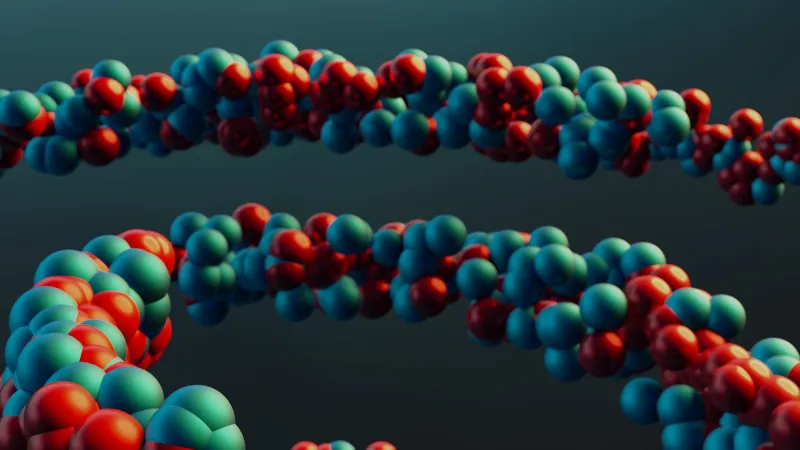
For decades, popular science portrayed DNA as an immutable destiny — a fixed script handed down from parents to children, determining health outcomes with near-clockwork precision. That framing was always an oversimplification, but recent advances in epigenetics have made it genuinely obsolete. Scientists now understand that a sophisticated regulatory system operates above the genome, one that responds to environmental signals and adjusts gene activity without altering a single nucleotide in the underlying sequence. The implications stretch from the clinic to public health policy, and they are reshaping how researchers think about disease, aging, and the biology of human potential.
What the Epigenome Actually Is
The term "epigenome" refers to the complete set of chemical modifications attached to DNA and its associated proteins — modifications that act as switches, dials, and volume knobs for gene expression. Two of the most well-characterized mechanisms are DNA methylation and histone modification.
In DNA methylation, a methyl group is attached to cytosine bases, typically at sites where cytosine and guanine appear consecutively in the sequence. When these marks accumulate near a gene's promoter region, they generally suppress transcription, effectively silencing that gene. Histone modification works through a different mechanism: DNA is wound around protein spools called histones, and chemical tags added to the tails of these proteins can either loosen or tighten the coiling, making genes more or less accessible to the cellular machinery that reads them.
Critically, these marks are not permanent. Unlike a mutation in the DNA sequence itself, epigenetic modifications can be added, removed, or redistributed in response to signals from inside and outside the cell. That plasticity is precisely what makes the epigenome so scientifically compelling — and so relevant to everyday choices.
Diet as a Molecular Signal
Nutrition research has long documented associations between dietary patterns and chronic disease, but epigenetics is beginning to explain the molecular pathways behind those associations. Folate, a B vitamin abundant in leafy greens and legumes, is a critical donor of methyl groups used in DNA methylation reactions. Inadequate folate intake has been linked to aberrant methylation patterns implicated in colorectal cancer development. Conversely, diets rich in polyphenols — the bioactive compounds found in berries, green tea, and cruciferous vegetables — appear to influence histone-modifying enzymes in ways that may suppress tumor-promoting gene activity.
Researchers at several U.S. academic medical centers are currently investigating whether dietary interventions can be designed to deliberately target epigenetic marks in high-risk populations. While the science is not yet mature enough to support specific prescriptive recommendations, the conceptual framework — that what you eat sends molecular instructions to your genome — has moved firmly into mainstream biological research.
Stress, Adversity, and the Marks They Leave
Perhaps the most striking dimension of epigenetic research involves the biological consequences of psychological stress. Studies of individuals who experienced adverse childhood experiences, or ACEs, have detected measurable differences in methylation patterns at genes governing the stress-response system, including those regulating cortisol signaling. These epigenetic differences appear to persist into adulthood, potentially contributing to elevated risks for cardiovascular disease, depression, and immune dysregulation.
Work emerging from the Dunedin Multidisciplinary Health and Development Study in New Zealand — which has followed a cohort of individuals from birth into middle age — has demonstrated that biological aging, assessed in part through epigenetic clocks, tracks more closely with cumulative life stress than with chronological age alone. Epigenetic clocks are computational tools that use methylation patterns at select genomic sites to estimate a person's biological age, a metric that can diverge substantially from the number of years they have lived.
This research carries significant implications for how U.S. public health institutions approach socioeconomic disparities in health outcomes. If chronic exposure to poverty, discrimination, or community violence leaves epigenetic signatures that accelerate biological aging, then the health consequences of structural inequality are not merely social — they are molecular.
Exercise and the Epigenetics of Longevity
Physical activity has long been associated with reduced risks of type 2 diabetes, cardiovascular disease, and certain cancers. Epigenetic research is now providing mechanistic detail for those associations. A landmark study published in Cell Metabolism demonstrated that a single session of endurance exercise induced rapid changes in DNA methylation at genes involved in fat metabolism and insulin sensitivity in human skeletal muscle. Importantly, some of those changes were detectable within hours and persisted after the acute physiological response had subsided.
Longitudinal studies of older adults have found that sustained physical activity correlates with younger biological ages as measured by epigenetic clocks — a finding that has energized interest in exercise as a potential tool for modifying the pace of molecular aging. Researchers at institutions including the Buck Institute for Research on Aging are actively exploring whether specific exercise modalities produce distinct epigenetic signatures and whether those signatures can be therapeutically exploited.
Cancer Biology and the Therapeutic Horizon
Epigenetic dysregulation is now recognized as a hallmark of cancer. Tumor cells frequently display global hypomethylation — a loss of methylation across the genome — alongside localized hypermethylation at tumor-suppressor gene promoters, effectively silencing the cellular brakes that would otherwise prevent uncontrolled proliferation. This discovery has opened an entirely new category of cancer therapeutics.
The U.S. Food and Drug Administration has already approved several epigenetic drugs, including DNMT inhibitors such as azacitidine and decitabine, which work by stripping aberrant methylation marks from silenced tumor-suppressor genes. HDAC inhibitors, which prevent the compaction of chromatin around tumor-suppressor loci, represent another approved drug class. These agents do not alter the DNA sequence; they reprogram the instructions the sequence receives.
Clinical researchers are now investigating whether combining epigenetic therapies with immunotherapy or traditional chemotherapy can overcome drug resistance in difficult-to-treat malignancies, including certain forms of leukemia and lung cancer.
A More Complete Picture of Biological Destiny
The traditional model of genetics positioned the DNA sequence as the sovereign determinant of biological fate. Epigenetics does not displace that model — the sequence remains foundational — but it adds an essential layer of complexity. Your genome provides the hardware; your epigenome, shaped continuously by the environment you inhabit, determines much of how that hardware runs.
For scientists, clinicians, and science communicators alike, this expanded understanding carries a dual responsibility: to convey the genuine promise of epigenetic research without overstating what is currently actionable, and to situate individual biology within the broader social and environmental contexts that shape it. The epigenome is not simply a record of personal choices. It is also a record of the conditions — economic, environmental, and social — in which those choices are made.
As sequencing technologies grow more affordable and epigenomic profiling becomes increasingly accessible, the field is positioned to deliver insights that could transform preventive medicine, drug development, and our collective understanding of what it means to inherit a biological identity. The genome may be the blueprint, but the epigenome is where the building actually happens.